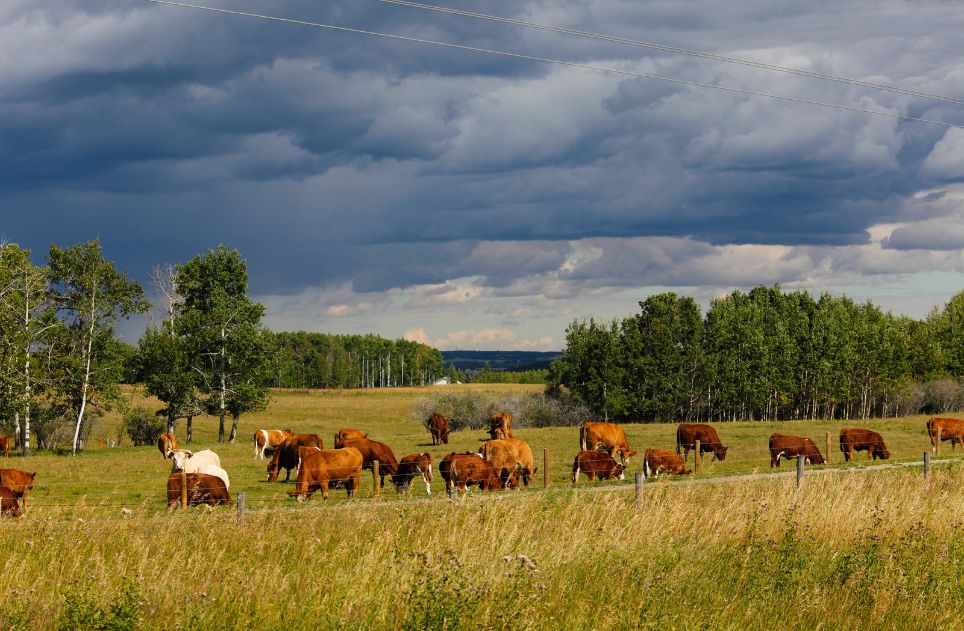
Weight gain is how a cattle enterprise makes its money. Cattle that put on weight steadily reach target weights sooner, meet market specifications and return more per head, while the paddock they’re grazing carries them for fewer days. On the other hand, cattle that stall, or lose condition, cost you in extra feed, lost time and lower sale prices.
The right cattle feed is what keeps that gain on track. Getting it wrong can be costly in another way: when you introduce grain too fast, you can lose cattle to acidosis in a matter of days. Coming into summer, that risk climbs as pasture dries off and cattle lean harder on supplement.
This guide covers how cattle gain weight, what to feed cattle at each stage, how much feed to aim for per head and how to do it safely. This is the same advice we give growers across the Lachlan Valley and Central West NSW.
In short: the phase decides the lead nutrient. Protein builds growing cattle, energy finishes them, and roughage keeps the rumen working the whole way through. Feed to a set percentage of bodyweight, build grain up over two to three weeks, and weigh or condition-score rather than guess.
How Cattle Put on Weight
Weight gain comes down to energy. If an animal takes in more energy than it needs to stay alive, the extra goes into growth. If it takes in too little, it loses weight. As a guide, to each kilogram of liveweight gain, needs roughly 35 to 45 megajoules of metabolisable energy (MJME) on top of maintenance. As cattle get heavier and fatter, this figure can rise.
In practice, that means feeding cattle to a set percentage of bodyweight in dry matter each day (about 2 to 2.5% for growing cattle and 1.7 to 2.2% for finishing cattle), with the energy and protein balanced to the stage the cattle are at.
Protein matters too for weight gain, but its role changes with age. It builds frame and muscle, so young, growing cattle need more of it. Meanwhile, older cattle being finished need less protein and more energy.
Cattle are ruminants, so their stomachs rely on fibre to keep working well. This means roughage is not optional. Any high-energy feeding has to be balanced with enough roughage to keep the rumen healthy.
What to Feed Cattle at Each Stage: Growing and Finishing
Cattle feeding can be split into two phases: growing and finishing. Each has its own goal, with different targets for protein, energy and intake.
| Phase | Goal | Crude Protein | Energy (MJME/kg of dry matter) | Intake (% of liveweight, dry matter) |
| Growing (first ~90 days) | Build frame and muscle | Up to 16% | Moderate | Higher, up to about 3.2% |
| Finishing (~90 days to market) | Add weight and condition (fat cover) | 14 to 16% | High (rises as protein need falls) | Lower, down to about 2.2% |
| Whole feeding period | Often above 80% grain in diet | Average 2.5 to 2.7% (range 2.2 to 3.2%) |
Growing
Also called backgrounding, this phase is all about steady, healthy development. Young cattle are building the frame they will carry into finishing: bone and muscle. They have large appetites relative to their bodyweight, which is why they need a higher-protein ration, moderate energy and plenty of good-quality forage.
Growing cattle do well on good pastures. For cattle between about 130 and 320 kg, average gains of around 0.9 kg a day are achievable when quality grazing is available and management is sound. A grower ration fills the gaps when pasture falls short.
Faster gains generally need supplementary high-energy feed. Keep starch low in this phase, because high-starch feed can lead to unwanted fat deposition.
Finishing
Finishing is the final stretch, where the aim is to add weight and condition before sale. Each extra kilogram of gain takes more energy than it did earlier, and more of it goes into fat. This is why finishing relies on energy-dense feed, usually from grain or grain-based feed, to push gains above a kilogram a day.
Minimum protein needs are lower than for growers, at around 12% for steers and heifers, though bulls may need more. The key to profitable finishing is feed conversion efficiency: how much weight cattle gain from each kilogram of feed. Better conversion cuts your cost per kilogram of gain, which is why keeping intakes at the right level matters.
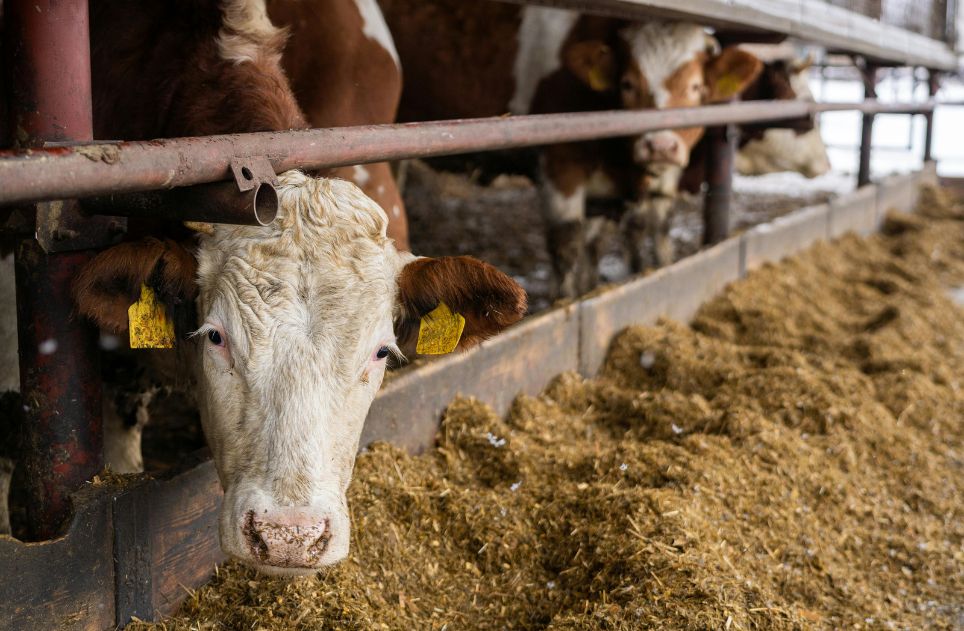
Choosing the Right Feed
Match the feed to the job in front of you.
- For growing cattle: Aim for a balanced ration around 14 to 16% protein with moderate energy. This supports muscle and frame without over-fattening. For weaners coming off milk, our Calf Weaner Pellet is built for that transition and is fed alongside a roughage source such as cereal hay or straw.
- For finishing or faster gain: Lift the energy. Cereal grains like barley and wheat are the usual energy source, or a complete pelleted ration such as our Beef Finisher Nuts, formulated for cattle from around 250 kg liveweight at 16.1% protein and 12.5 MJ/kg. Starch drives gain but needs careful management to avoid digestive upsets, so balance it with digestible fibre.
- For cattle on poor dry pasture: A protein supplement earns its keep here. Adding protein to a low-quality diet can lift how much the animal eats, so the cattle get more out of the pasture they already have. MLA puts that lift at up to 30% on poor quality, low protein diets. Cattle & Sheep Nuts are formulated for exactly this. This includes supplementary feed through periods of inadequate forage, and useful across both species on a mixed farm. For a longer run of dry feed, see our guide to maintaining livestock condition through a dry season.
- For breeding cows: Cattle Nuts are the supplement to reach for through pregnancy and lactation, where the job is maintenance and condition rather than finishing.
Pellets or Grain? What to Feed Cattle
When feeding cattle, both choices work. The right choice for your operation comes down to balance, cost, control and convenience.
- Pellets and nuts are balanced and ready to feed. They include minerals and a controlled mix of energy and protein, carry a lower risk of grain poisoning and are simple to ration out. They suit you when you want a reliable, complete feed.
- Cereal grain is cheaper energy per kilogram, but it isn’t a complete feed t on its own. It needs roughage and minerals alongside it and added calcium on high-grain diets, since most grains lack enough of the mineral. Most grains need careful management to avoid acidosis (or grain poisoning), though not all grains carry the same risk. Wheat and barley are the riskiest if you introduce them too quickly or feed too much at once, while oats are the most forgiving.
Many producers use both: grain for a cost-effective energy source and pellets for balance and ease. A simple approach is to feed a complete pellet while cattle are being introduced to a new ration or when roughage is short, then add grain as cost and feed supply allow.
Growing and finishing cattle have different needs, so it pays to think about the phase as well. Growers need a higher-protein ration with moderate energy, and a balanced pellet makes that easy to get right. Finishers need a lot more energy, which is where cheaper grain can be useful, provided you manage the introduction and keep enough roughage in the diet.
How Much to Feed per Head
As a rule, growing cattle eat about 2 to 2.5% of their liveweight in dry matter each day, while finishing cattle about 1.7 to 2.2%. For a 400 kg steer, that is roughly 8 to 10 kg of dry feed daily when growing and 6.8 to 8.8 kg when finishing. Keep in mind that intake may also depend on the quality of the feed.
For cattle grazing close to finishing, a common top-up is about 0.5 kg of grain or pellets per 100 kg of liveweight. So, a 400 kg steer might get around 2 kg of concentrate a day alongside pasture. If grass supply or quality is poor, you may need to feed more, and if you’re feeding high levels of supplement, housing and finishing the cattle may suit better. Pellet amounts vary by product, so check the label. How you feed it out matters too. Our guide to trail feeding compares the options.
Adjust to the animal and the season. Weigh or condition-score your cattle regularly and change the ration to match what you see.
Don’t Overlook Minerals, Water and Stress
Energy and protein get the attention, but a few other things decide whether cattle gain the weight you are feeding for.
Minerals
Cattle on grain or dry pasture often fall short on key minerals. Calcium and phosphorus support bone and growth, and the balance between them matters on high-grain diets. Salt should always be available. A good pellet ration already includes a mineral package, which is one reason many producers lean on nuts rather than straight grain.
Water
Water is the cheapest input and the most important. Cattle drink an average of 80 litres a day, which can run up to 100 litres or more in peak demand or hot weather. When water is short or dirty, intake can drop, along with weight gain, so make sure to keep troughs clean and flowing.
Shade and low stress
Heat, long walks to water and rough handling all burn energy that could have gone into weight. Ensuring that cattle are calm and comfortable helps them convert feed better.
Introduce Grain Slowly and Keep Roughage Up
This is the step that protects your investment. Grain introduced too fast causes acidosis, a painful and sometimes fatal digestive upset.
Acidosis comes from too much grain at once, or grain brought in too fast. Build up to a full ration over two to three weeks. Start small and increase the amount gradually, giving the rumen time to adjust. If cattle miss a feed or two, drop back a step before continuing.
Keep roughage in the diet the whole time. Growing cattle need plenty of fibre and during grain introduction it’s safest to keep roughage high, often 30% or more of the ration. Even on a settled, intensive finishing ration, aim for about 10 to 12% long fibre, such as hay or straw. Don’t rely on bedding to supply it. Introducing hay before grain also helps settle the rumen.
Make sure their clostridial (7-in-1) vaccination is up to date before you start, as the risk of pulpy kidney rises on grain-based diets.
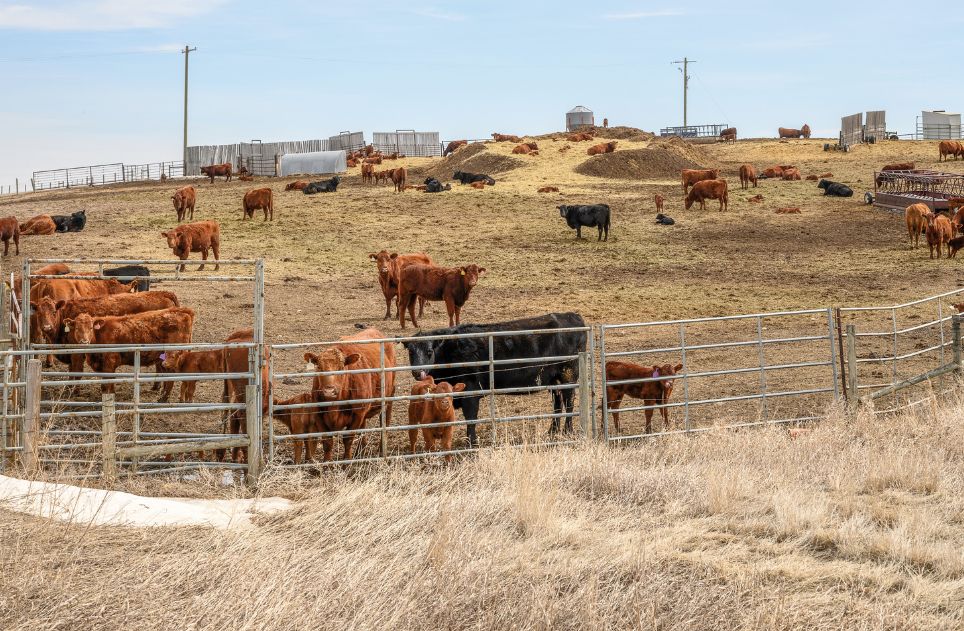
Four Mistakes to Avoid When Feeding Cattle
Get these right and the rest of the ration does its job:
- Too much grain, too soon. One of the fastest ways to lose cattle is acidosis, but it’s an avoidable condition. Build up over two to three weeks, feed every day while you do and drop back a step if feeds are missed.
- Not enough roughage. Growing rations need plenty of fibre (neutral detergent fibre above 40% of the dry matter), and intensive finishing rations still need 10 to 12% long fibre. Don’t rely on bedding to supply it.
- Getting protein wrong for the phase. Growers need 14 to 16% protein to build frame, so a low-protein ration holds them back. Finishers need less, and the Department of Agriculture and Fisheries show protein requirements falling as cattle get heavier. Once they are met, the extra does not buy growth; it just makes the ration more expensive. Read that as the whole ration, though, not the bag: a finisher pellet is formulated above the band because the pasture, hay and grain fed alongside it dilute protein in the mix the animal eats.
- Guessing weight. Intake and supplement rates are set as a proportion of liveweight, so a wrong estimate throws off the whole ration. Weigh or condition-score regularly and feed to what you see, not what you assume.
A Simple Cattle Feeding Plan You Can Follow
Pulling it together, a straightforward plan for healthy gain looks like this:
- Set the goal. Growing or finishing? That decides whether you lead with protein or energy. If your market sets a maximum carcase weight, plan the growing phase so cattle don’t end up overweight at slaughter.
- Start with pasture. Use what the paddock gives you and top up only where it falls short. Quality grazing can deliver about 0.9 kg a day for cattle between roughly 130 and 320 kg, so that is your baseline before you add a supplement.
- Pick the feed. Forage quality changes how much you need to buy, so test your hay or silage early. The NSW Department of Primary Industries rates good legume hay at about 10 MJ of energy per kilogram of dry matter against 7 for poor hay. This is close to a third less in every kilogram and makes the difference between topping up and full hand feeding.
- Feed to bodyweight. Work to around 2 to 2.5% of liveweight in dry matter a day for growers and 1.7 to 2.2% for finishers, adjusted to feed quality. Cattle grazing near finishing get about 0.5 kg of concentrate per 100 kg of liveweight, and more if grass supply or quality is poor.
- Introduce grain slowly. Build up over two to three weeks and keep roughage up. Starch and sugar drive gain in finishing, so balance them with digestible fibre and keep oil in the ration below 6%, because too much can depress intake.
- Check and adjust. Match the feed to the cattle by weighing or monitoring the cattle’s condition scores on a regular basis. Finishing is also where feed conversion efficiency decides your margin, so watch how much feed each kilogram of gain is costing you.
What to Feed Cattle, Whether You’re Growing or Finishing
Healthy weight gain is about matching feed to stage: protein to grow them, energy to finish them, and roughage throughout to keep the rumen right. Introduce grain slowly, feed to bodyweight, and adjust as the season changes.
Begin by weighing or scoring a sample of your cattle, deciding whether you’re growing or finishing and working out your weekly feed cost per head.
At csg Cowra, we make quality cattle feed locally in Cowra, including Beef Finisher Nuts, Cattle Nuts and Cattle & Sheep Nuts. Browse the full CowraFeed range or find your nearest stockist to get started.
Frequently Asked Questions
Feed an energy-dense ration backed by enough protein. Grow young cattle on good pasture with a grower feed at 14 to 16% protein, then finish on higher-energy feed such as grain or a complete pellet. Energy drives the weight gain, so that is the part to lift when you want faster growth.
Cattle eat about 2 to 2.5% of their liveweight in dry matter daily and finishing cattle about 1.7 to 2.2%. A 400 kg steer eats roughly 8 to 10 kg a day, depending on phase and feed quality. Cattle grazing near finishing are often topped up with about 0.5 kg of grain or pellets per 100 kg of liveweight.
Pellets are balanced feed that include minerals and carry a lower risk of grain poisoning, making them the safer and more convenient option. Grain is cheaper compared to pellets but isn’t balanced on its own and needs careful introduction to prevent acidosis. Many producers use both, relying on pellets as the primary feed and grains as supplementary.
On quality pasture with good management, growing cattle can average around 0.9 kg a day. Pushing harder than this raises the risk of digestive problems, so steady gain is safer and usually more economical.
Yes. Cattle are ruminants and need fibre to keep the rumen healthy. Keep roughage high while introducing grain and include about 10 to 12% long fibre even in intensive finishing rations. Grain must always be introduced gradually over two to three weeks to avoid acidosis.