Poultry Feed for Healthy Chickens & Consistent Egg Production
Whether you're keeping a handful of backyard chooks or running a productive free-range flock, what goes in the feeder shows up in the eggs. CowraFeed poultry feeds are made from locally grown grain. They are nutritionally balanced, so your birds stay in good condition, lay consistently and hold strong feather and eggshell quality through the seasons. From the first day a chick hatches to the peak of a hen's laying life, there's a feed formulated for the job.
Poultry Feed for Every Stage of Growth & Production
Newly hatched chicks need a high-protein, easy-to-eat starter to get them moving. As they grow into pullets, they move onto a grower ration that supports steady frame and bone development without pushing them into laying too early. Once they reach the point of lay, a complete layer feed delivers the extra calcium and energy a productive hen needs to keep eggs coming.
Feeding to the bird’s stage matters because each phase has different needs. Too much protein too early can push pullets into lay before their frames are ready; too little calcium in lay leads to thin, fragile shells. Matching the feed to the stage is the simplest way to keep a flock healthy and productive.
Poultry Feed Range for Chickens, Pullets and Laying Hens
Every feed in the range is made from locally grown grain and balanced for its stage. The texture is only part of the story: protein level, calcium and added vitamins and minerals are what sets each feed apart.
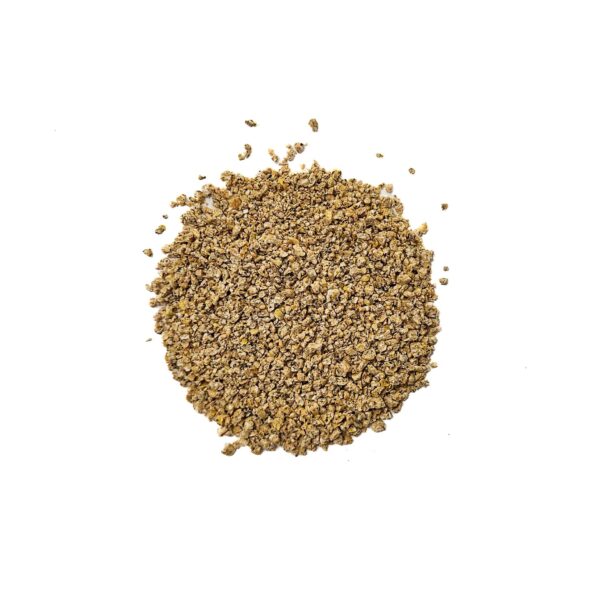
Chick Starter Crumble
First feed for day-olds through the brooder weeks. A fine crumble that’s easy for tiny beaks, formulated high in protein (typically around 18–20%) to drive early growth, with balanced amino acids, vitamins and minerals to support strong skeletal development and a healthy start. Feed from hatching until roughly 6–8 weeks.
Pullet Grower Crumble
The bridge feed for growing pullets before they start laying. Protein is moderated (typically around 16–18%) to encourage steady, even frame and bone development without rushing birds into lay too early. Balanced calcium and trace minerals lay the groundwork for a long, productive laying life. Feed from around 6–8 weeks to the point of lay.
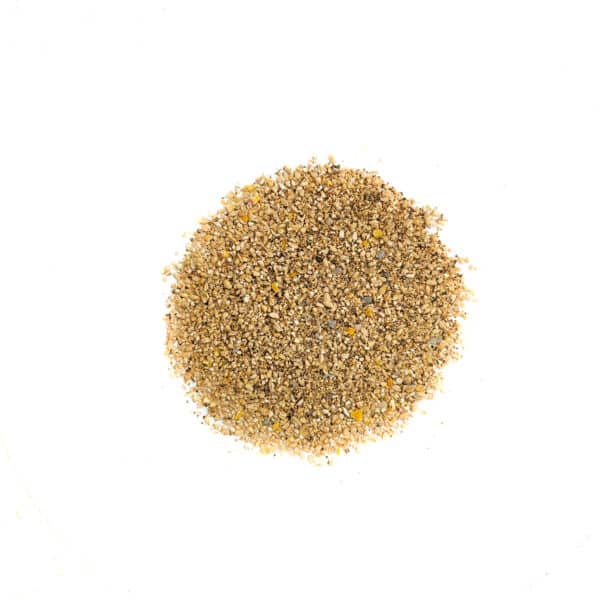
Balanced Layer Pellet and Ultra Layer Mash
Complete rations for hens in lay, delivering the higher calcium (typically around 3.5–4.5%) and energy a laying hen needs for strong shells and consistent production, plus added vitamins (including vitamin D for calcium uptake) and minerals for overall condition and feather quality. Choose the pellet for less waste and no selective feeding, or the mash if your birds prefer a finer texture.
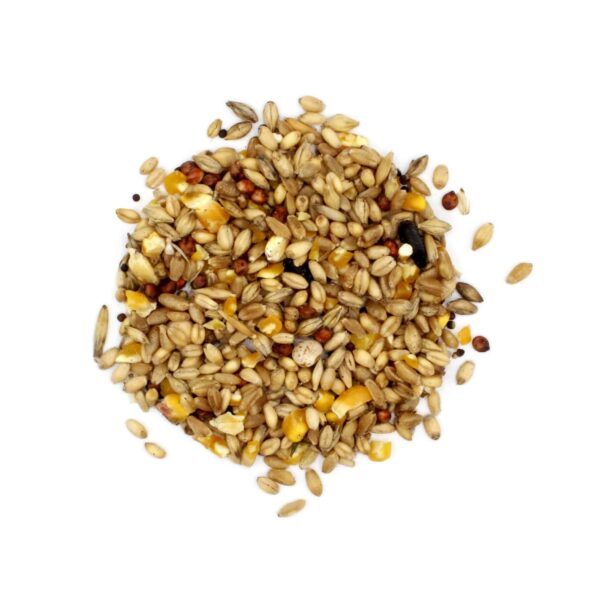
Complete Layer Blend
A grain-based complete layer option for flocks that like to forage through their feed. Delivers the same complete layer nutrition, including calcium, energy, vitamins and minerals, in a form that suits birds that enjoy picking through a varied ration.
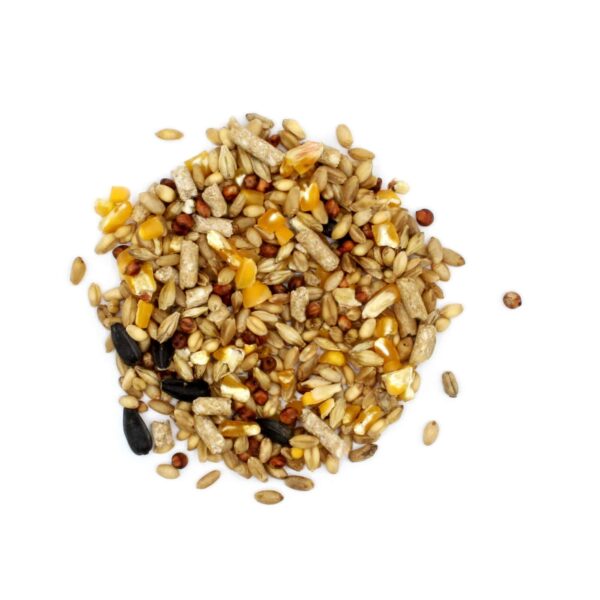
Scratch Mix
A supplementary scratch and treat to encourage natural foraging and activity. Scratch is a grain-based energy treat, not a complete feed, so it’s lower in protein and doesn’t carry the calcium and vitamin balance a layer needs. Feed it alongside a complete layer feed, not in place of it.
Why It Pays to Feed a Complete, Balanced Ration
Good feed shows up in the bird and in the egg basket through:
Stronger eggshells. The right balance of calcium and vitamin D in a layer feed helps hens lay eggs with firm, less breakable shells.
Consistent egg production. Steady energy and protein support a reliable lay through the laying season, rather than the peaks and drop-offs that come with an unbalanced diet.
Healthy growth and good body condition. Stage-specific proteins and minerals build sound frames in young birds and keep mature hens in working condition.
Better feathering and overall condition. Balanced amino acid and mineral levels support strong feather cover and resilience through moult and seasonal change.
Less waste and selective feeding. A complete crumble or pellet means birds can’t pick out the bits they like and leave the rest, so every mouthful is balanced.
How Our Poultry Feed Is Made
Our CowraFeed is made close to home. We start with grain grown in and around the Cowra district, which means fresher feed and shorter supply chains. That grain is balanced into complete rations, combined with the protein, calcium, vitamins and minerals each stage needs. It is then formed into the right texture for the bird, whether that’s a fine starter crumble, a layer pellet or a forage-friendly blend.
As feed is produced locally and turned over regularly, it reaches your feeder fresh. Feeding the right ration, made from quality local grain is the foundation of a healthy, productive flock.
Locally grown, made for every stage of lay.
Frequently Asked Questions
When do I switch chicks onto layer feed?
Keep birds on starter, then grower, until around the point of lay (roughly 18–20 weeks), then move to a complete layer feed so they get the calcium needed for strong shells. Switching too early can give young birds more calcium than their developing kidneys and bones can handle, so it’s worth waiting for a point of lay.
Pellet, mash or blend. What's the difference?
Pellets reduce selective feeding and waste, mash suits birds that prefer a finer texture and grain blends appeal to flocks that like to forage. Nutritionally, a complete layer feed in any form covers what a laying hen needs; it comes down to your birds’ preference and how much waste you want to manage.
Do laying hens need extra shell grit?
A complete layer feed supplies calcium, but offering shell grit free-choice is good insurance for shell strength, particularly for high-producing hens or during hot weather when intake drops.
How much should I feed each day?
A laying hen eats roughly 100–130g of complete feed a day, though this varies with breed, weather and how much the birds forage. Keeping the feeder topped up so birds can eat to their appetite works well for most backyard and free-range flocks.
Can I feed kitchen scraps or just scratch?
Treats and scraps are fine in small amounts, but they dilute a balanced diet if overdone. Keep scratch and treats to around 10% of the daily ration and let a complete layer feed do the heavy lifting, or you’ll see it in shell quality and lay.
How should I store poultry feed, and how long does it last?
Store feed in a cool, dry place in a sealed container to keep it fresh and to keep out moisture, mice and wild birds. Use it within the timeframe on the bag and buy a bag size that your flock will get through in a reasonable period, so it doesn’t sit too long.
What bag sizes are available?
Poultry feeds come in 20kg bags, with bulk options for larger flocks.
Need a Hand Choosing the Right Feed?
Choosing the right feed is the start, getting the best from it over a full laying season is where good advice pays off. The team at CSG Cowra can help you match feed to your flock’s stage and size, plan transitions between feeds and troubleshoot things like a drop in lay, thin shells, or birds off their feed.